
Healing From Trauma. Reconnecting With Yourself.
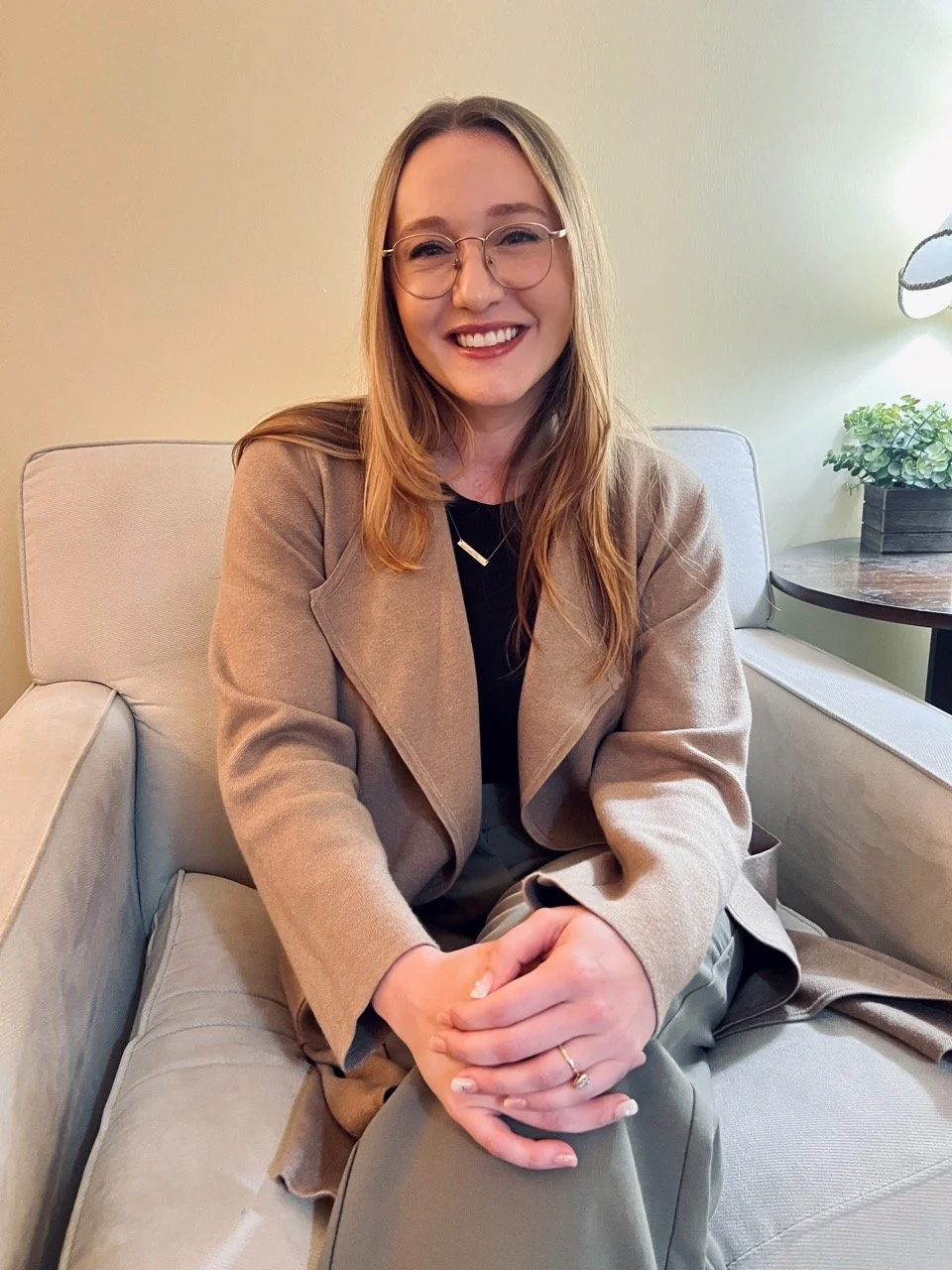
Hello there, my name is Haley, and I'm so glad you're here.
As a therapist who values the power of connection and understanding, I’m here to support you with empathy and an open heart. My approach is grounded in empowerment, curiosity, and a genuine desire to understand your unique story. By addressing both the emotional and physiological aspects of healing, I guide clients toward greater self-compassion and resilience. My approach empowers individuals to connect with their inner wisdom, build emotional balance, and create meaningful & lasting change.
While working together, my clients are healing from trauma, depression or anxiety by integrating mind-body practices that promote deep emotional healing and self-awareness. I work collaboratively with clients, utilizing a blend of parts-work, somatic approaches and narrative therapy to explore the underlying stories that shape their experiences and beliefs.
If you're looking to begin therapy together, utilize my contact page to get started. We will work together from a place of curiosity to discover what barriers are getting in your way, where they may have come from, and how you can work to overcome them.

A Different Way of Understanding Yourself.
Throughout our lives, we develop ways of adapting to the people, relationships, and environments around us. When we experience fear, uncertainty, loss, or trauma, we naturally find ways to protect ourselves and keep going. These protective patterns—or “parts” of ourselves—can take many forms. They might help us stay in control, avoid conflict, disconnect from difficult emotions, strive for perfection, care for everyone around us, or stay constantly alert to what might go wrong.
These parts developed for a reason. In many cases, they were incredibly effective at helping us survive and navigate what we were experiencing at the time. They helped us get through things we may not have otherwise known how to handle. In that sense, these protective patterns are not something to be ashamed of or something that needs to be “fixed.” They are part of how we got here.
Sometimes, though, the strategies that helped us survive one environment don't translate as easily into the environments we find ourselves in later. What once kept us safe may begin to leave us feeling stuck, disconnected, overwhelmed, or limited in ways we don't fully understand. We may find ourselves reacting to situations in ways that feel automatic, even when a part of us knows we're safe now.
Our bodies can carry these adaptations, too. When we’ve spent significant time in survival mode, it can become difficult to recognize or trust the signals our bodies are sending us. We may disconnect from our physical sensations, have difficulty recognizing what we need, or feel more comfortable living in our thoughts than in our bodies. Somatic therapy creates space to gently reconnect with these experiences and begin to develop a different relationship with the nervous system.
Rather than viewing the body as something that needs to be controlled, we can learn to listen to it, understand its signals, and gradually develop a sense of safety within it. With time, this can help us become more familiar with the experience of actually being present in our bodies—feeling grounded, connected, and able to experience the present moment rather than continually reliving the past or anticipating what might happen next.
Therapy can be a space to become curious about these patterns rather than judging them. Through parts work, somatic approaches, narrative therapy, and relational work, we can begin to understand where these patterns came from, what they have been trying to protect, and whether they are still serving the role they once needed to play. Rather than fighting against these parts of ourselves, we can build a different relationship with them—one rooted in compassion, understanding, and choice.
For me, trauma-informed therapy isn't about erasing your past or changing who you are. It's about understanding yourself more fully, recognizing the wisdom in the ways you've learned to survive, and creating space for new ways of responding when those old patterns are no longer needed. It's about reconnecting with your mind, your body, and the parts of yourself that may have been working hard to keep you safe. We can honor where you've been while making room to experience where you are now—and where you want to go next.
Request a Confidential Consultation
Taking the first step toward therapy can feel like a big one. Reach out through the form below to share a little about what you’re looking for and what’s bringing you to therapy. From there, we can connect, answer any questions you may have, and explore whether working together feels like the right fit.